
Nando
Time and Space:The quite Force of Nando Pons
Menorca’s architecture thrives on contrasts – light and stone, tradition and modernity. Few understand this interplay as intuitively as Nando Pons. His work is more than architecture – it’s a dialogue with history, a subtle sensitivity to places others might have long overlooked.
I first met Nando a few years ago – through friends of friends, as is often the way on Menorca. From our very first project together, it was clear: Nando doesn’t just *know* the island – he *feels* it. He’s helpful, well-connected, and always knows someone who knows someone.
"Busco gente y las pongo en contacto"
Nando Pons
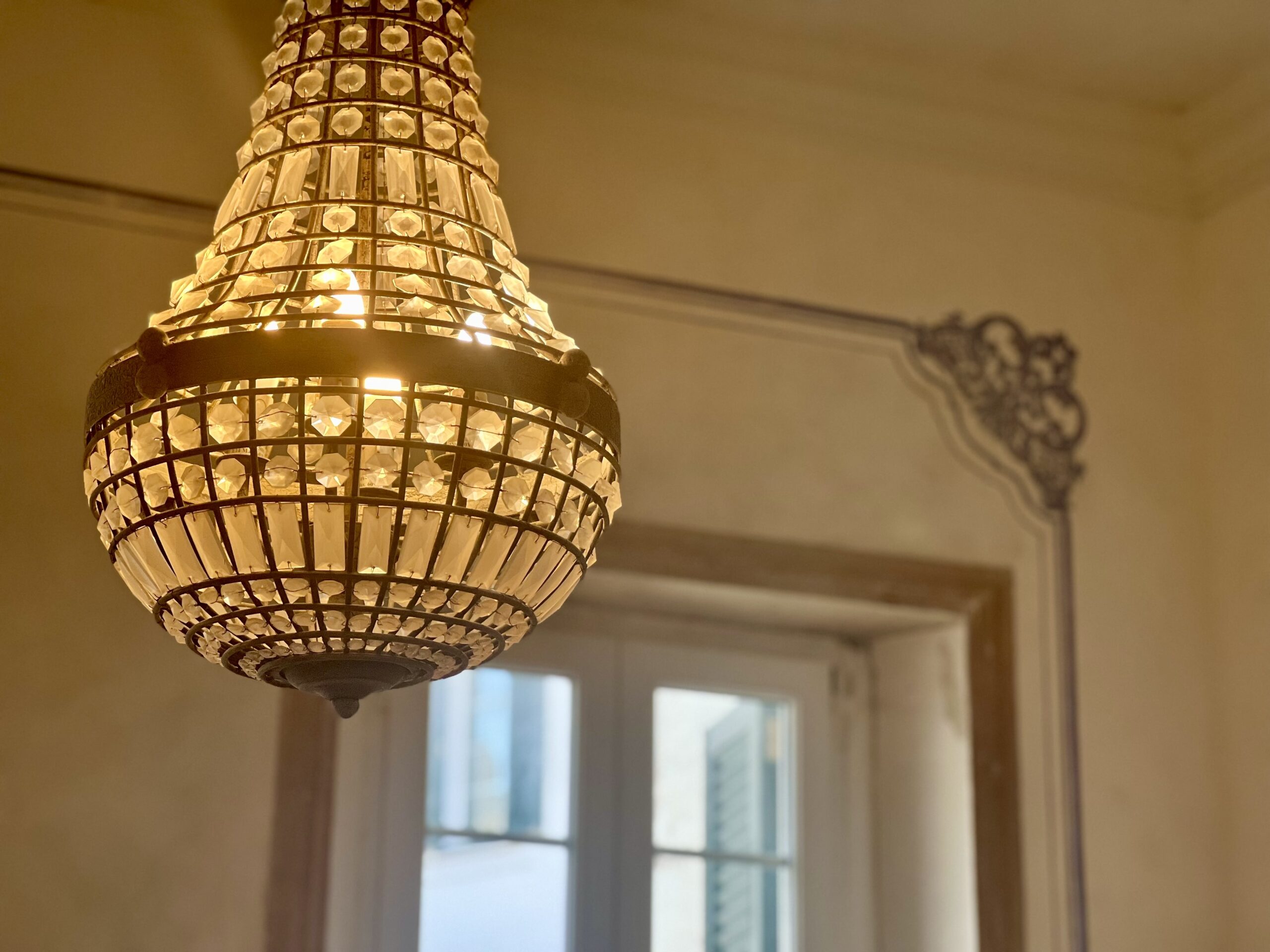
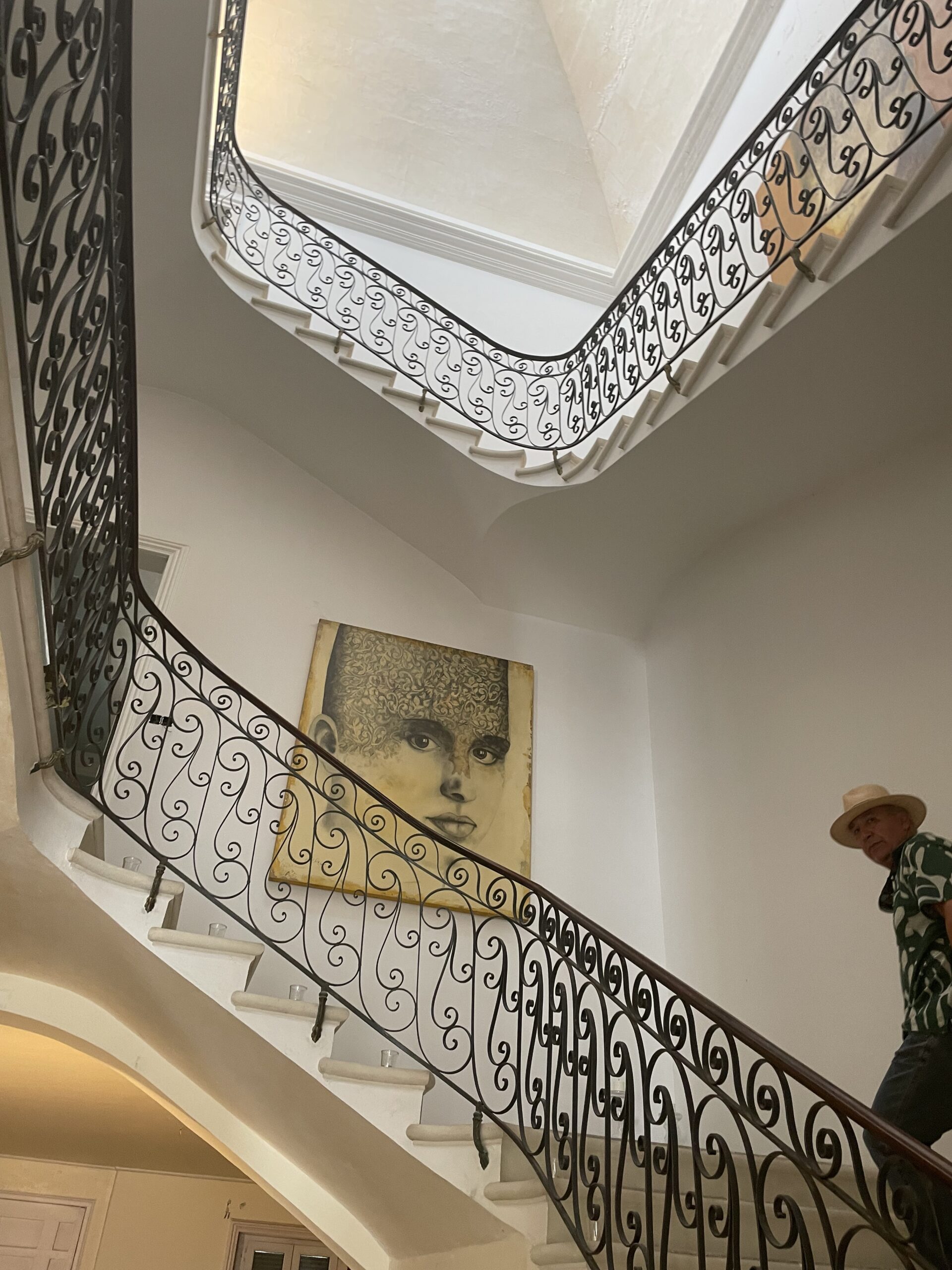
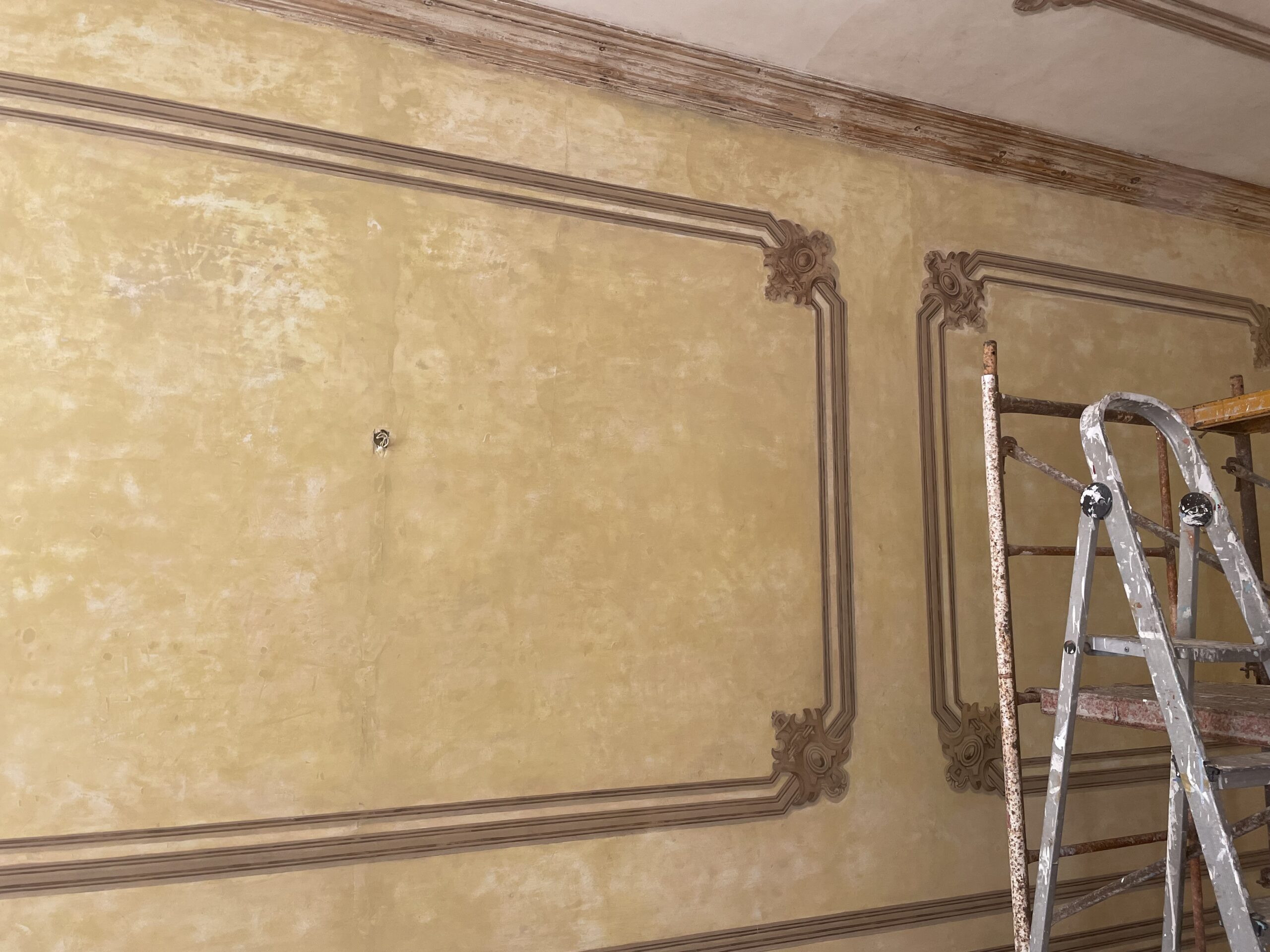
Rooted in Menorca, yes – but never nostalgic. Nando Pons looks forward, questions the expected, and lends familiar forms a new depth. He has a particular eye for detail – a tile, a door handle, a found object with soul. He’ll search for weeks to find the right piece – because for him, every object, every surface tells a story, one he’s eager to share.
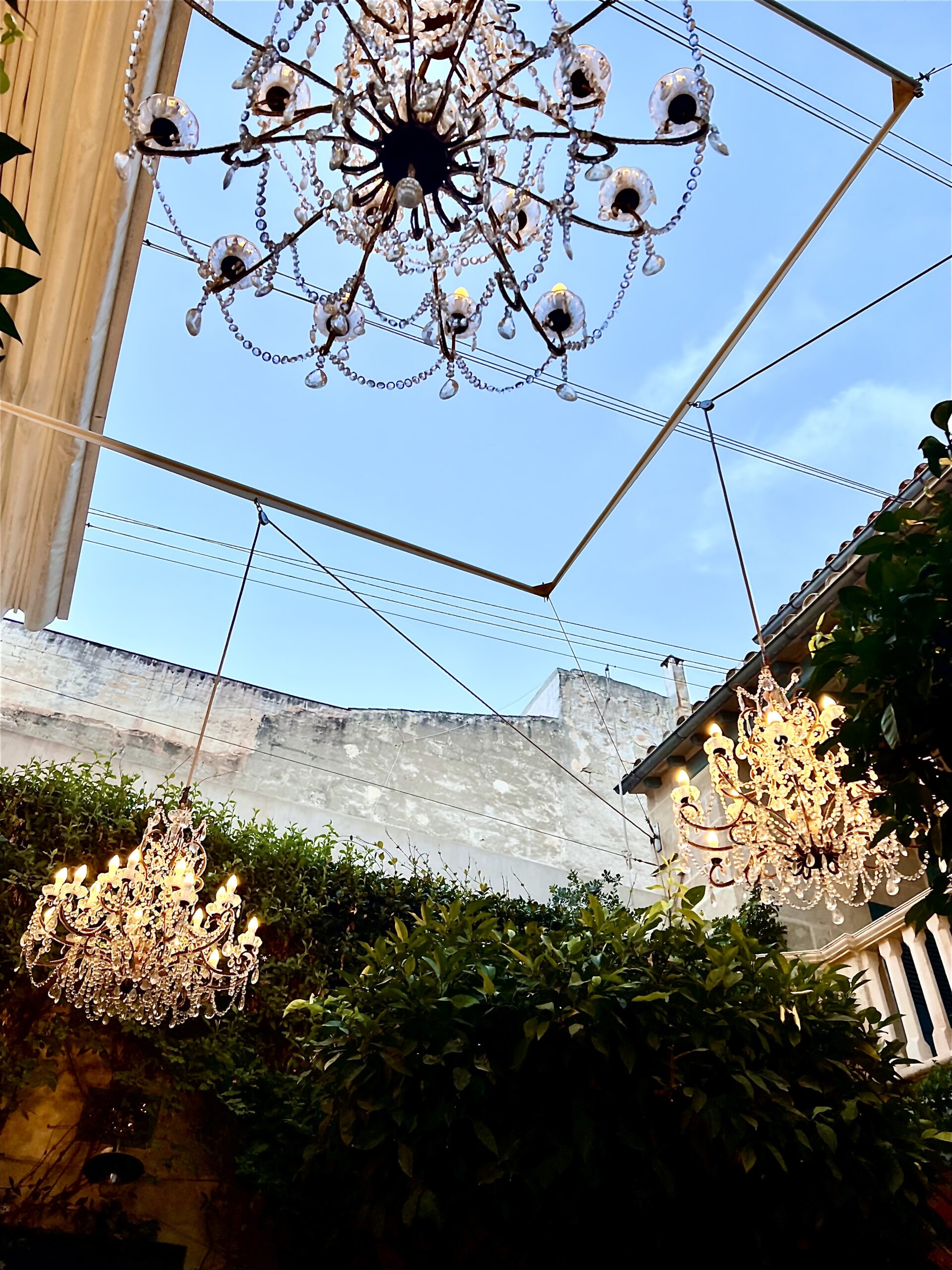
He is the owner of the Jardí de Ses Bruixes, one of the first boutique hotels on the island – a house with soul, full of quiet poetry, which he designed and developed with his partner in 2011. The light-filled atrium, lush greenery and iconic chandelier speak of that understated grandeur that so perfectly captures Nando Pons’ signature.
The building itself, a city palace from 1812, is part of Menorca’s story. Once a private residence, then his architecture studio – today, a 16-room sanctuary of timeless elegance.
Currently, Nando is restoring the former residence of Capitán Roca – another quiet masterpiece in the making. With great sensitivity, he brings the house into the present without losing its character. When he speaks about his projects, one quickly understands: for him, architecture is not just a design process – it’s a mindset. It’s about cultural responsibility, about continuing history through space and form.
Nando knew he wanted to be an architect at the age of seven. He was the only one of his siblings to study abroad, working side jobs to support himself – early proof of his determination and independence. He returned to Menorca in 1987, and two years later, he founded his own office with his youngest brother. The early years were challenging – but guided by a clear vision: to create spaces with identity.
Today, Nando Pons is among the island’s most influential architects. Over a thousand projects bear his signature. But he doesn’t build for the sake of building. He consistently reinvests his earnings into historic structures – not as speculation, but as a contribution to preserving Menorca’s architectural heritage.
Each of his projects begins with conviction – and a vision. Take the former Codina Factory, an imposing industrial landmark in the heart of Maó. It stood vacant for 21 years, until Nando brought it back to life this summer. For a few weeks, it became a stage for art and community – exhibitions, conversations, an open space for the neighbourhood. With support from the city council and the architectural community, the building was opened to the public – a cultural statement at the heart of the city.
“Many people walked past the factory without ever realising its scale,” Nando says. For him, it’s clear: such places must not disappear. They are the memory of the city – and its future.
But his vision reaches further. For over a decade, Nando Pons has dreamed of a museum for contemporary art on Menorca. For years, the island didn’t seem ready – but now he sees opportunities. “It’s possible,” he says. “Even with small steps, clever concepts and minimal resources.”
The Codina Factory could be just that kind of place – an architectural resonance space between the old town and the new, a hinge between worlds. “It’s precisely this urban chaos that gives it its charm,” says Nando Pons. The former rubber factory becomes a symbol – of entrepreneurship, transformation, and the power of private initiative.
“What fascinates me about this building is its time-capsule character,” he adds. “It’s a historic space that not only preserves the past, but offers a living platform for the future.”
And so, Nando Pons’ vision remains clear: this historic space should become a cultural venue – open to the public, alive and breathing, a place where art and history meet. This is not just architecture – it’s part of Menorca’s identity.
Because for Nando, architecture has never been just about building walls – it’s always been a cultural mission. About telling stories, preserving memory, thinking forward. And although his journey already spans many chapters, it’s far from over.
“The story continues,” he says. And you believe every word.
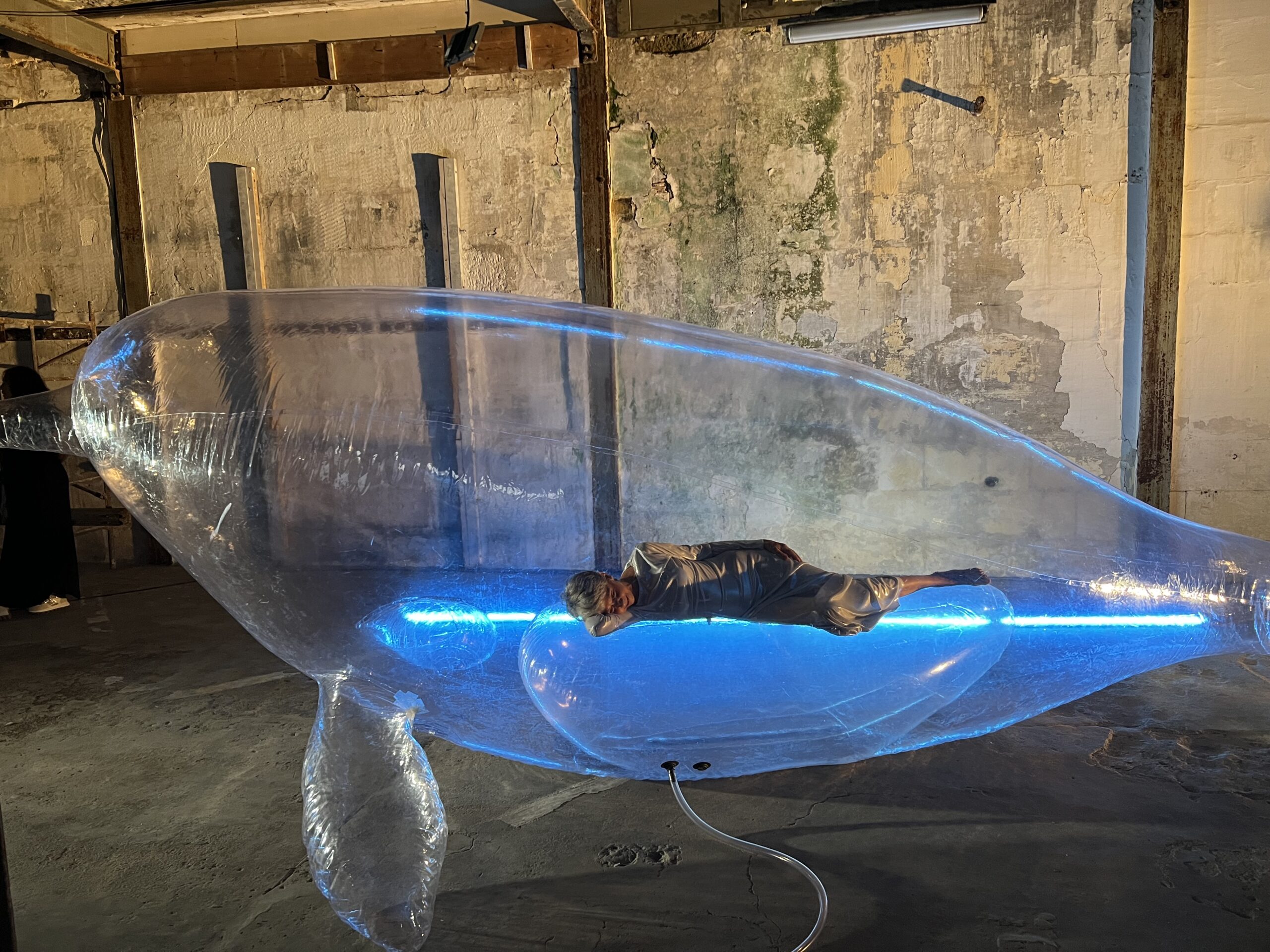
Where others see problems, Nando sees potential
For Nando, factories are not just sites of production – they are opportunities. In fact, this might be his defining trait: where others see problems, he sees potential. “It’s about finding solutions that elevate a space without erasing its past.”
The next big project?
Nando Pons wants to create an art biennale on Menorca, set in historic buildings and locations across the island — with support from artists from Spain and around the world. A contemporary exhibition that will celebrate the creative spirit of Menorca.
The Fàbrica Codina, Capitán Roca’s house, and the quarry the Hort de Milord (more on that later) will, of course, be part of the biennale.
And this is just the beginning. Nando Pons is continuing to work on further projects, including an exhibition by a Jewish photographer who documented the Spanish Civil War. “It’s been a long-held dream to organize this exhibition,” he says. “I hope we’ll soon be able to secure funding through microfunding to bring this project to life.”
For Nando Pons, there are no limits — only spaces waiting to be discovered.